
Cuando la AEMET saca el aviso naranja, Granada se convierte en un horno. Esta es la guía práctica —y sensata— para pasar una ola de calor sin sustos: qué hacer, qué evitar y a quién vigilar. Con el vocabulario del calor de propina.
Todo el día la ciudad ha aguantado la respiración. La cal devolvía la luz como un insulto, las persianas bajadas eran párpados, y en las cuestas del Albaicín no se movía ni la sombra de un gato. Granada, a las cuatro de la tarde, era una ciudad en apnea.
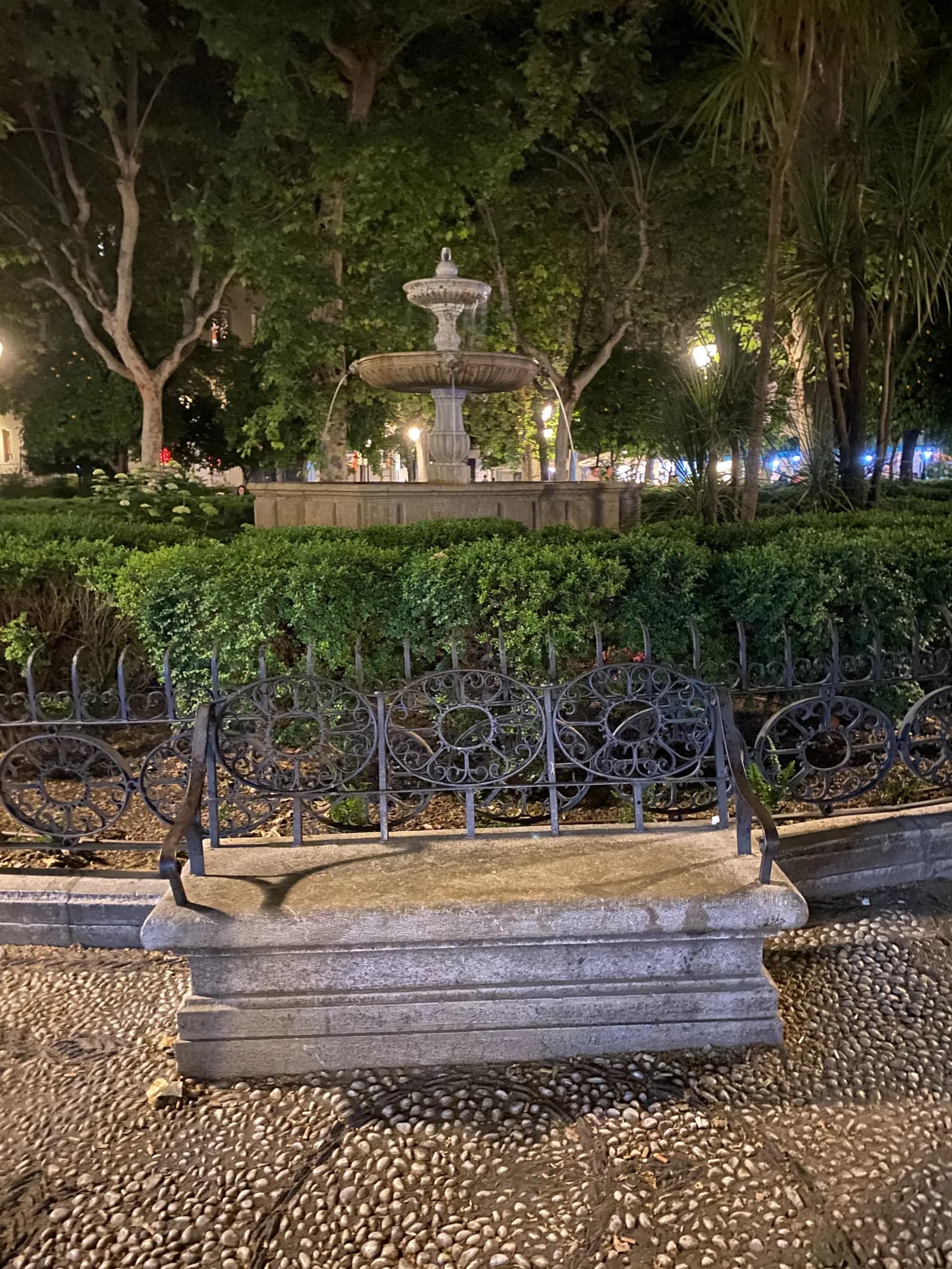
Pero cae el sol. Cae despacio, y la Alhambra se enciende por dentro, dorada como un pan recién sacado del horno de la sierra. Entonces ocurre: una ventana se abre, luego otra. Alguien riega su tramo de calle y la piedra mojada suelta ese olor antiguo, a tierra y a verano, que ningún perfume ha sabido copiar. El jazmín se despierta antes que nadie.
Y baja el fresco. Baja de Sierra Nevada como un pariente que llega sin avisar y al que todos esperaban: corre por el Darro, sube por los miradores, despeina las conversaciones que empiezan a trenzarse en las terrazas. Los vencejos escriben en el cielo su taquigrafía. Una fuente vuelve a decir lo suyo. A esta hora la lengua también se abre como una ventana: las palabras que a mediodía se aprendían de memoria, ahora se respiran. Granada, por fin, respira.
Esa es la Granada bonita del verano: la de la noche. Pero para llegar a ella hay que sobrevivir al día. Granada es una ciudad de interior, en un valle, lejos del mar. Eso significa veranos secos y, cada vez más a menudo, olas de calor: varios días seguidos con máximas por encima de los 40°. Cuando la AEMET (la agencia estatal de meteorología) saca un aviso naranja o rojo por altas temperaturas, conviene tomárselo en serio. No es para asustarse; es para organizarse. Aquí va la guía honesta.
Qué es una ola de calor (y por qué importa)
Una ola de calor no es «un día que aprieta»: es un periodo de al menos tres días con temperaturas muy por encima de lo normal, también de noche. Eso último es lo peligroso: si la casa no se enfría de madrugada, el cuerpo no descansa. Por eso las autoridades activan el Plan de salud frente al calor y avisan, sobre todo, a las personas más vulnerables.
Las reglas de oro
- Evita la calle entre las 12 y las 20 h. Es el tramo de sol de plomo. Organiza el día como el granadino: mañana temprano y noche.
- Bebe agua sin esperar a tener sed —pequeños sorbos, a menudo—. Evita el exceso de alcohol y de cafeína, que deshidratan.
- Come ligero: fruta, verdura, gazpacho, ensaladas. El cuerpo agradece no tener que «trabajar» una comida pesada con 42°.
- Ropa clara, ligera y holgada; gorra y gafas si sales; crema solar.
- Nunca dejes a nadie (ni a una mascota) en un coche al sol, ni un minuto.
Cómo mantener la casa fresca (sin aire acondicionado)
Muchos pisos de Granada no tienen aire. El truco es de toda la vida:
- Baja persianas y cierra ventanas de día, sobre todo en la cara de sol. La casa se defiende del calor de fuera.
- Abre de noche y de madrugada, cuando por fin refresca, y haz corriente para renovar el aire.
- Un ventilador con un recipiente de agua fría o hielo delante hace milagros.
- Dúchate con agua templada (no helada) y refréscate muñecas, nuca y pies.
Señales de alarma: el golpe de calor
Aprende a reconocerlas, en ti y en los demás. El golpe de calor es una urgencia:
- Piel muy caliente y seca (deja de sudar), dolor de cabeza fuerte, mareo, náuseas.
- Confusión, pulso acelerado, desmayo.
Si aparecen: llevar a la persona a un sitio fresco, refrescarla con agua y paños húmedos, darle de beber si está consciente y llamar al 112. Ante la duda, llama: es gratis y funciona en toda España.
A quién vigilar
Las olas de calor no afectan a todos igual. Echa un ojo a personas mayores que vivan solas, bebés y niños pequeños, personas con enfermedades crónicas y, por supuesto, a las mascotas (paséalas de noche, nunca sobre asfalto ardiendo). Preguntar «¿estás bien? ¿has bebido agua?» a un vecino mayor es de las cosas más granadinas que puedes hacer.
Y dónde escapar del calor en Granada
La ciudad tiene una ventaja rara: el fresco a mano. En menos de una hora subes a Sierra Nevada (diez grados menos) o bajas al mar; a media hora tienes las pozas de río de Los Cahorros de Monachil. Y de noche, la ciudad resucita: terrazas, cines de verano, fuentes. Te lo contamos entero en verano en Granada.
El calor también enseña español
Ya que estás, aprovéchalo. El calor tiene su propio vocabulario, muy vivo en la calle:
- Hace bochorno — calor húmedo y pesado.
- Un calor pegajoso / que no se puede ni respirar.
- Estoy sudando la gota gorda — sudar muchísimo.
- Me estoy achicharrando / asando — pasar mucho calor.
- A pleno sol — sin sombra. / Al fresco — donde corre el aire.
- La siesta — esa costumbre que en agosto no es pereza, es supervivencia.
Escuchar a la gente quejarse del calor en la terraza, con gracia andaluza, es una clase de español gratis. Si el acento te cuesta, vacúnate antes con el acento de Granada.
En la Clínica creemos que la ciudad entera es el aula: también cuando aprieta el calor. Cuídate, organiza el día con cabeza y usa el verano a tu favor. ¿Quieres empezar? Mira tu punto de partida con el test de nivel y estrena tu mes gratis.
¿Quieres aprender español así?
La Clínica convierte Granada en tu aula. Empieza con tu diagnóstico.
Empezar